Clay Armies, Sunset Ramparts, and the Fragrant Alleys of the Silk Road’s Terminus
In this ancient walled capital on the yellow loess plateau, 2,200-year-old terracotta legions stand guard, 14-kilometer Ming battlements glow under red twilight lanterns, and the scent of roasted cumin drifts through thousand-year-old mosques.
To step off the bullet train into Xi’an is to feel the tectonic weight of Chinese antiquity settle squarely upon your shoulders. Long before Beijing laid its first imperial brick, and centuries before Shanghai was anything more than a salt flat along the Yangtze delta, this fertile basin was Chang’an—“The Perpetual Peace.”
As the undisputed eastern gateway of the Silk Road, it welcomed Persian merchants, Nestorian monks, and Sogdian camel caravans beneath the golden eaves of the Tang Dynasty. Today, modern bullet trains glide in from Beijing in just over four hours, yet beneath the city’s high-tech skyline beats an ancient, monumental heart that refuses to stay buried.
DAY 1: 9:00 AM | THE SUBTERRANEAN GHOST ARMY
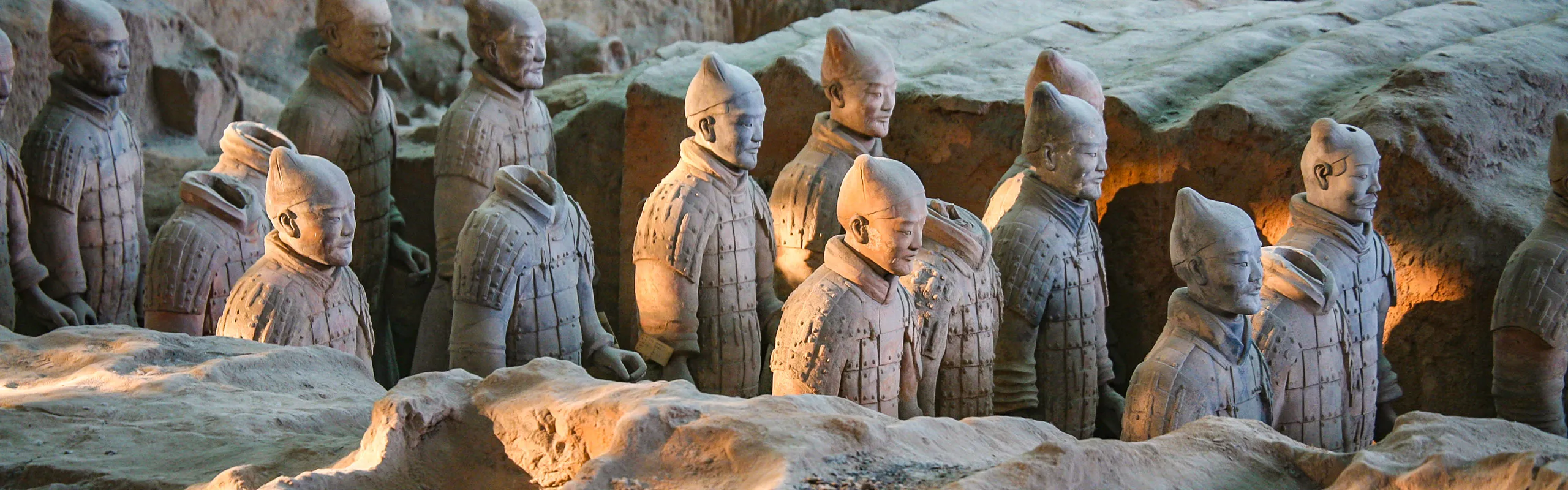
Pit 1 and the Individual Faces of Qin Dynasty Immortality
Unearthed accidentally in 1974 by fruit farmers digging a drought-relief well, the Terracotta Army was commissioned by Qin Shi Huang—China’s First Emperor—to defend his spirit realm for eternity. Gazing across the cavernous excavation of Pit 1, the staggering realization hits: no two clay faces are identical.
DAY 1: 5:00 PM | MIDNIGHT RAMPARTS AT TWILIGHT
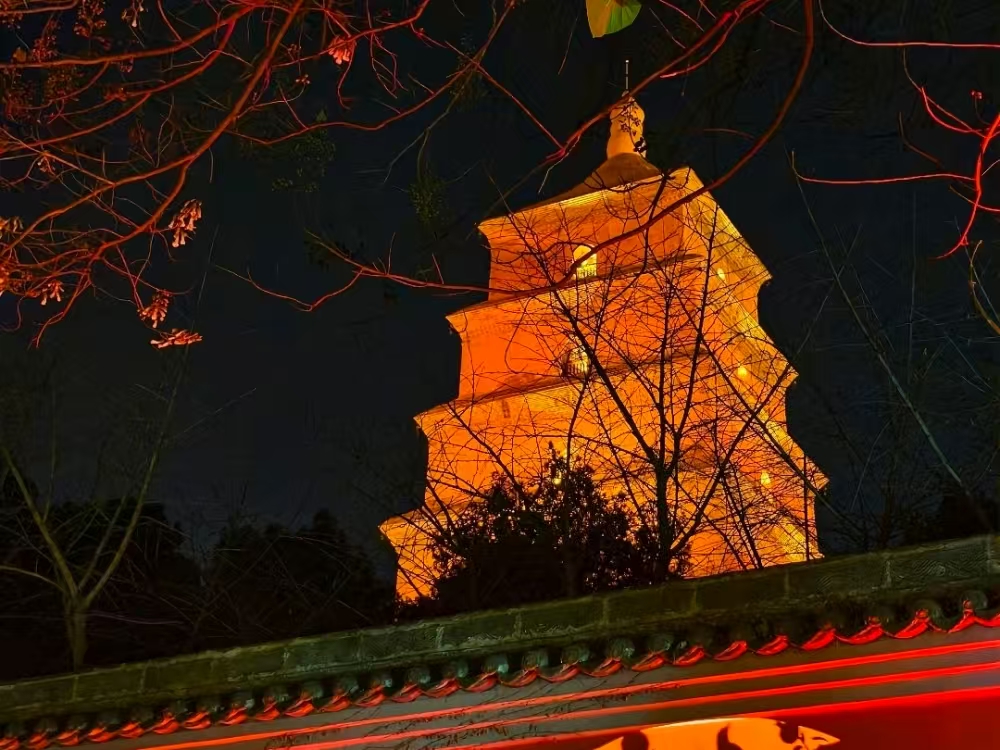
Cycling the 14-Kilometer Ming Dynasty Stone Fortifications
Constructed in 1370 atop earlier Tang foundations, Xi’an’s City Wall is the most complete and colossal ancient municipal defense system on earth. Wide enough on top for two chariots to pass abreast, its parapets offer a surreal vantage point hovering between centuries.
DAY 2: 11:30 AM | SILK ROAD FLAVORS & SACRED GROVES
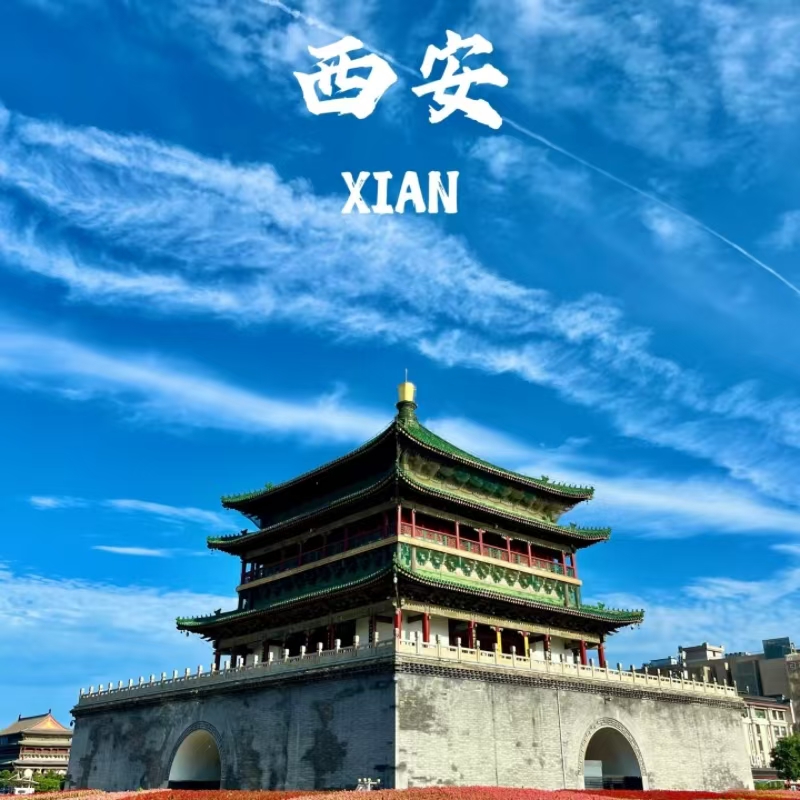
The Muslim Quarter, Hand-Pulled Biangbiang Noodles & The Great Mosque
In the centuries-old Muslim Quarter (Huimin Jie), the Silk Road lives on through taste and sound. Wooden mallets pound sesame brittle against marble counters, cauldrons of spiced mutton broth simmer around the clock, and hand-pulled Biangbiang noodles hit the counter with rhythmic thuds.
Tucked just two turns off the sizzling meat grills lies the Great Mosque of Xi’an (founded 742 AD)—an extraordinary peaceful oasis blending classical Chinese courtyards and sweeping pagoda eaves with Arabic calligraphy and quiet bamboo glades.
| Main Craft | Xi’an: Wheat flour artistry, hand-pulled wide noodles, and coal-baked flaky flatbreads. | Beijing & Sichuan: Wood-roasted duck skin or intense chili peppercorn broths. |
| Signature Ritual | Hand-shredding flatbread into pea-sized bits for 12-hour simmered mutton Paomo. | Wrapping sliced duck in thin pancakes or boiling skewers in nine-grid beef tallow. |
| Flavor Identity | Silk Road roasted cumin, raw garlic, aged Shanxi black vinegar, and searing chili oil. | Fermented sweet bean sauce or tingling, electric mala sensation. |
Transit & Visa: High-speed bullet trains depart Beijing West for Xi’an North in just 4 hours and 15 minutes. Under China’s 240-Hour Visa-Free Transit and 30-Day Visa-Free policies, exploring Xi’an alongside Beijing, Chengdu, or Shanghai is completely seamless.
Private Guiding: To bypass massive entrance queues at the Terracotta Warriors and explore the imperial ramparts with deep scholarly context, Orient Pulse Tours provides licensed English-speaking historians, private VIP chauffeured vans, and our strict 100% Zero Forced Shopping Guarantee.