Trains Through Towers, Cliffside Skybridges, and the Fiery Soul of China’s 8D Mountain City
In this surreal metropolis carved into vertical cliffs where the Jialing meets the Yangtze, 2D navigation fails, commuter monorails pierce residential high-rises, and historic WWII air-raid shelters simmer with the country’s most intense hotpot.
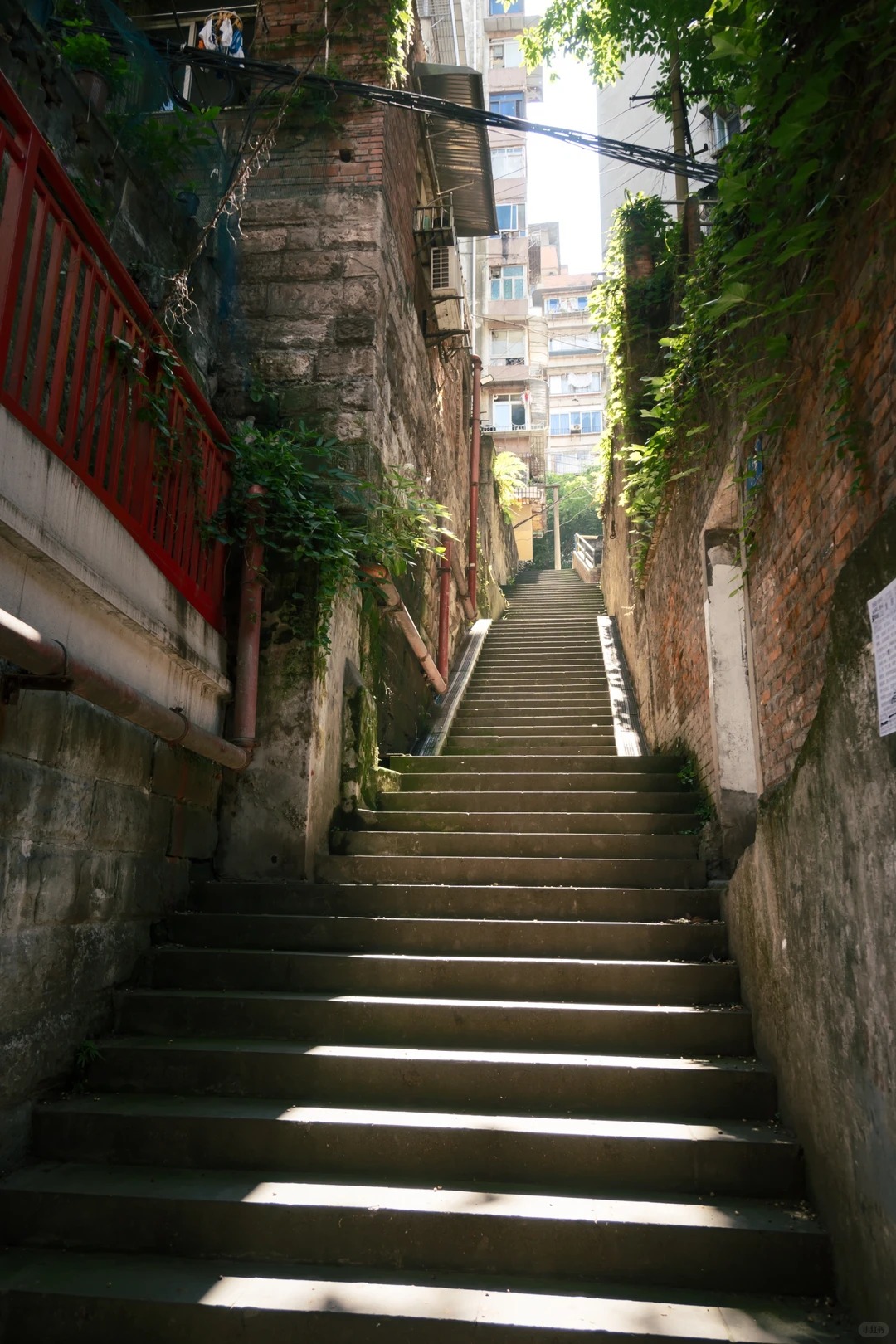
If you have watched viral footage of an eight-car monorail swallowed whole by a 19-story residential apartment tower, or an open-air public square with a normal road on the ground floor and another four-lane highway on the 22nd floor, you have already caught a glimpse of Chongqing (重庆).
Carved into dramatic limestone ridges where the jade-green Jialing River crashes into the silt-laden Yangtze, Chongqing has virtually no flat land—and zero bicycle lanes. Connected to Chengdu in just 62 minutes by high-speed bullet train and covered under China’s 240-Hour (10-Day) Visa-Free Transit, this metropolis of 32 million has evolved from a wartime provisional capital into the world’s ultimate cyberpunk destination.
“In Chongqing, you can enter an office lobby on the 1st floor, ride an elevator to the 22nd floor, and step right back out onto another bustling city avenue. Maps don’t work here; intuition does.”
DAY 1: 9:00 AM | THE 22-STORY PUZZLE
Kuixinglou: Standing on the Ground Floor and the 22nd Floor at Once
Begin your morning at Kuixinglou Square near the Jiefangbei commercial core. You stroll into the public plaza from street level, pass locals drinking tea, and approach the stone balustrade—only to peer over the edge and discover another multi-lane thoroughfare dizzyingly far beneath your feet. Walk across the suspended pedestrian skybridge into the adjoining skyscraper, ride the elevator down 22 levels, and emerge onto a riverfront street in what feels like an entirely separate world.
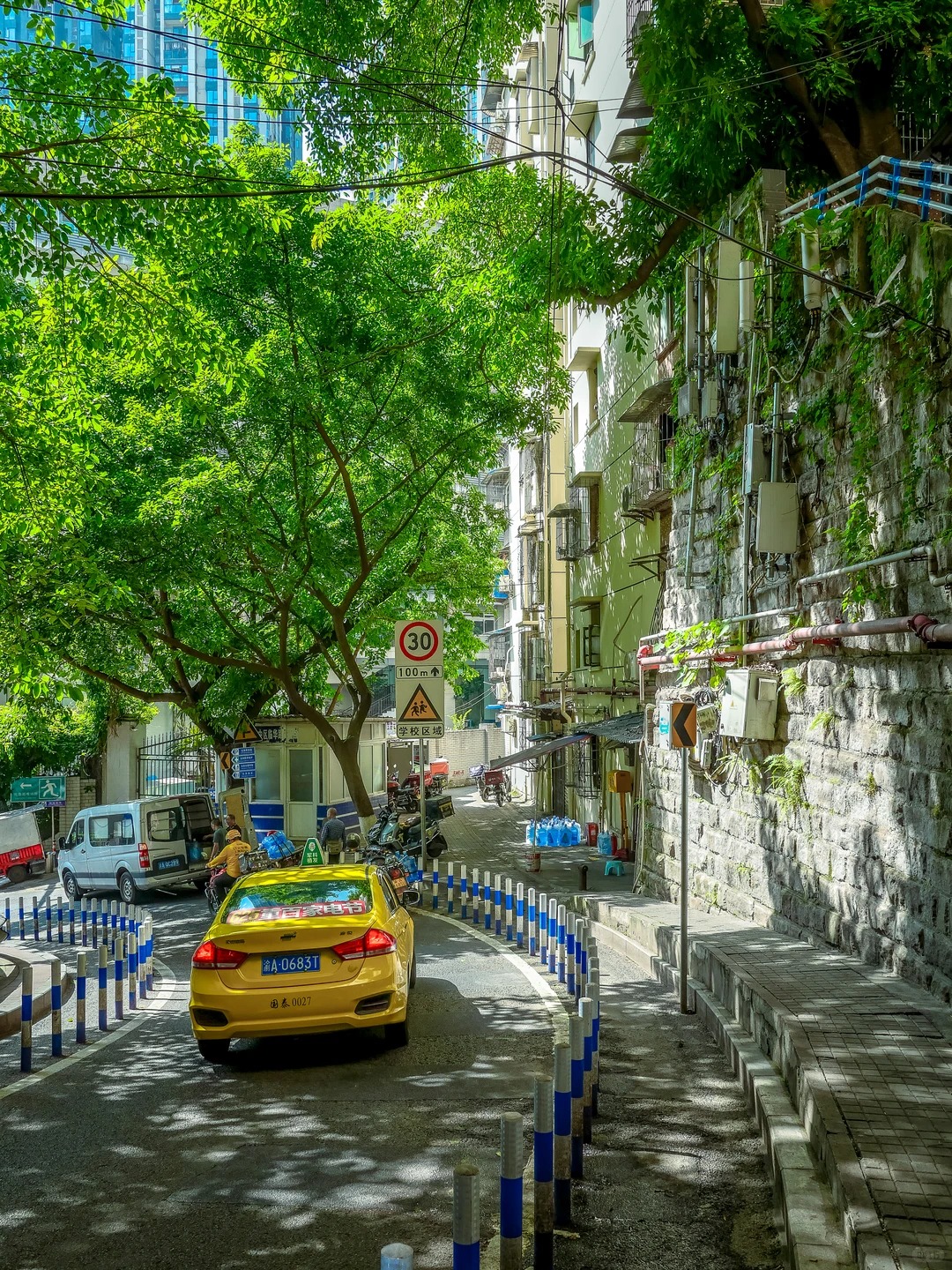
DAY 1: 1:30 PM | MONORAILS & CLIFFSIDE RAMBLING
Liziba Station: Riding Inside the Train Through the Apartment
Line 2 of the transit network was engineered simultaneously with a 19-story residential apartment block, allowing the train to slide smoothly through floors 6 to 8 with specialized acoustic dampening.
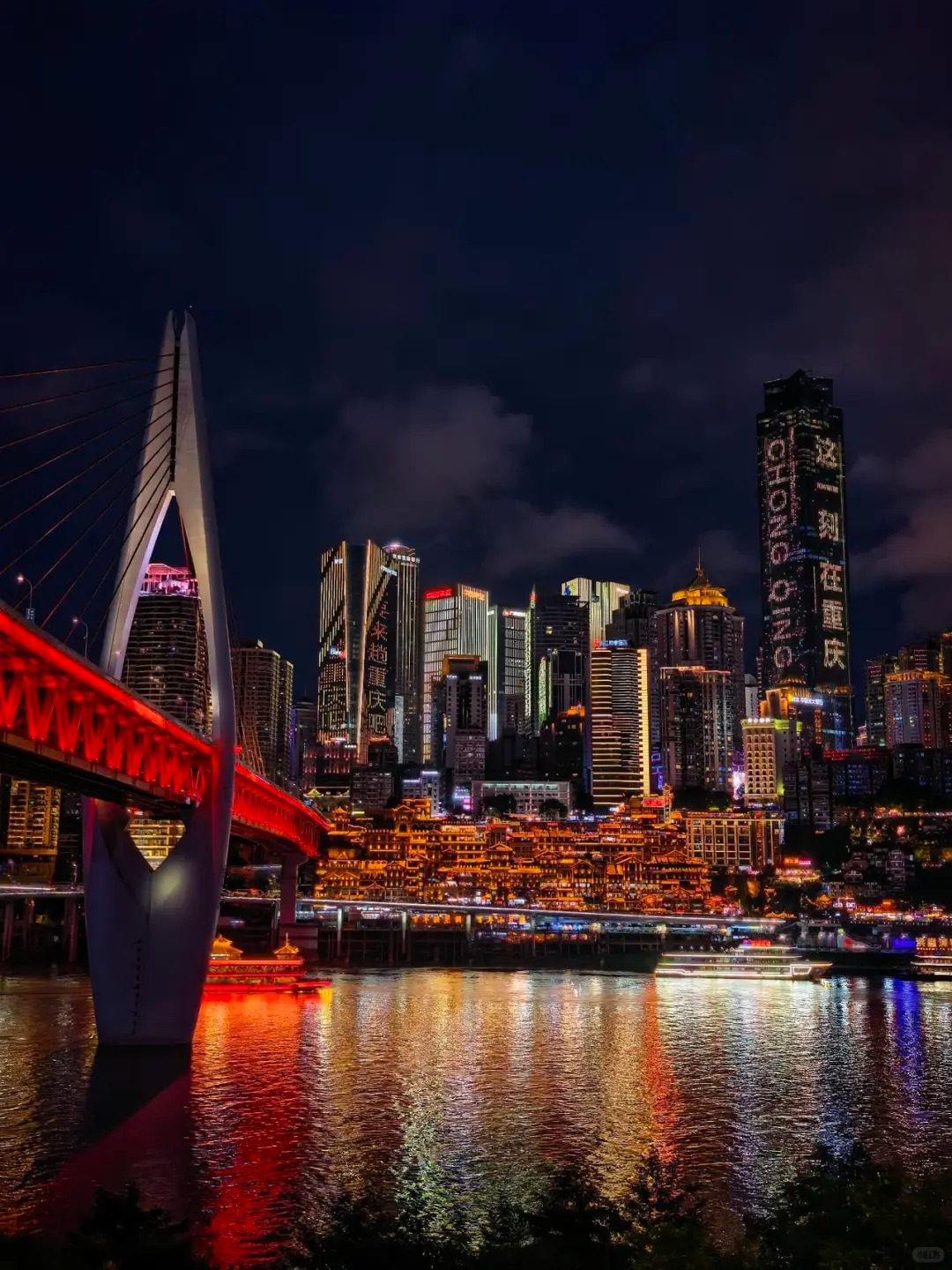
DAY 2: 10:00 AM | TEAHOUSE TIME CAPSULE & SHELTER HOTPOT
Jiaotong Teahouse and the Art of Air-Raid Shelter Dining
At Jiaotong Teahouse (交通茶馆) in Huangjueping, virtually nothing has altered since 1987. Under cracked skylights and weathered timber trusses, retired dockhands play Xiangqi (Chinese chess) over gaiwan bowls of Tuocha tea (under $1.50 with unlimited kettle refills).
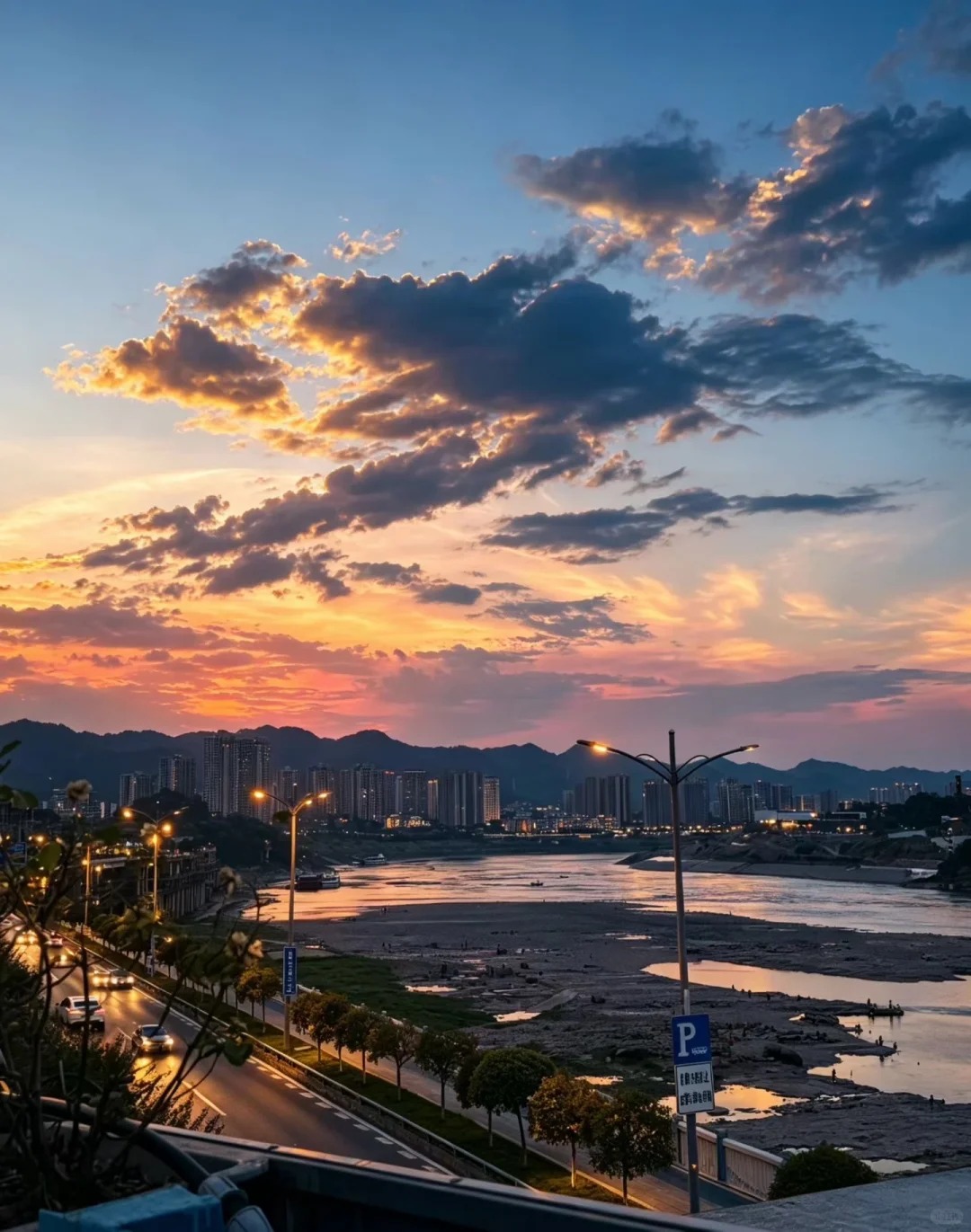
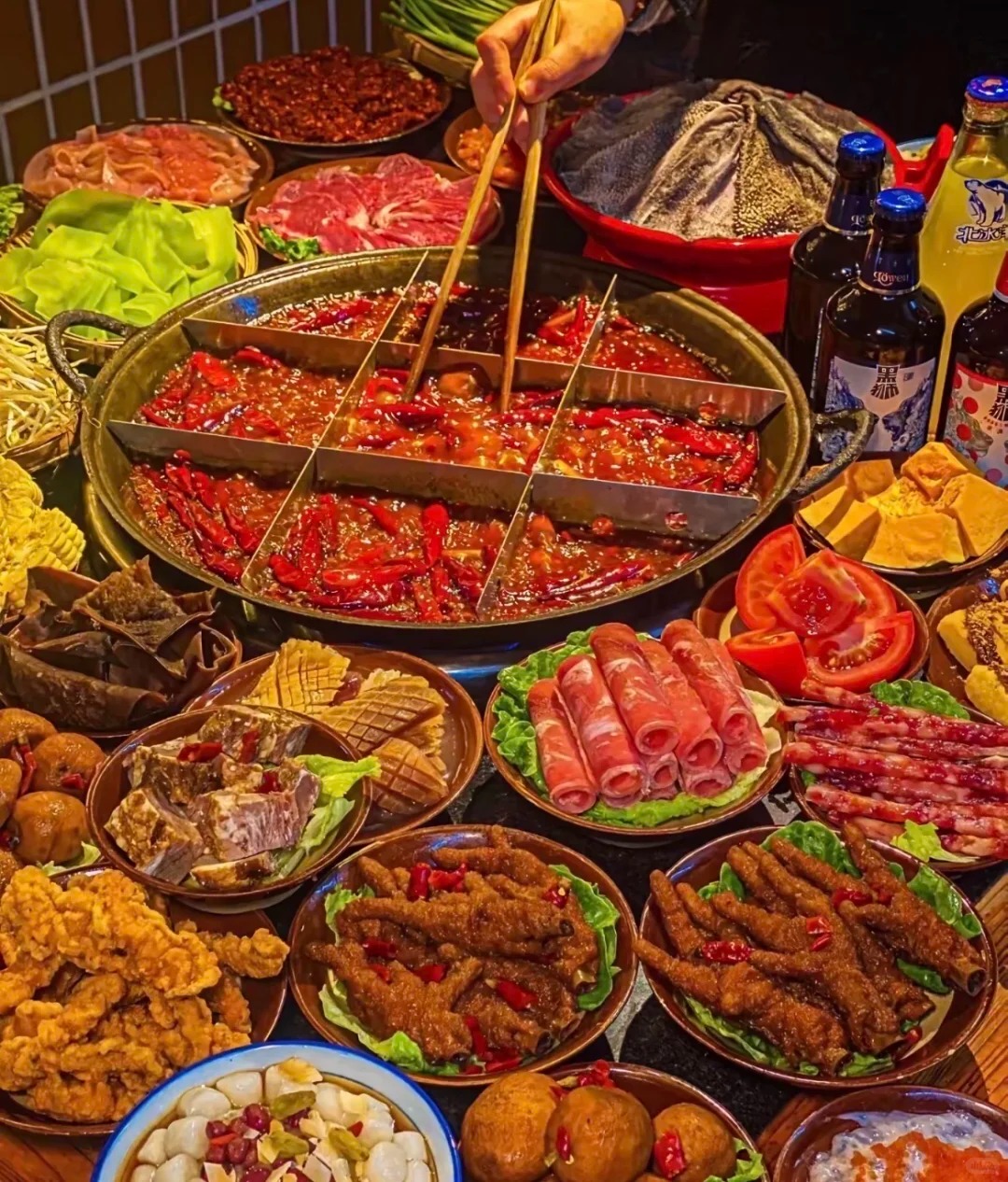
By nightfall, descend into the subterranean hillside network of WWII air-raid shelters (Fangongdong), where locals crowd low square stools around bubbling nine-grid copper pots simmering with 100% pure beef tallow, whole dried chili, and tingling Sichuan peppercorns.
| Broth Base | Chongqing: 100% solid beef tallow with heavy dried chili—smoky, bold, unapologetically fiery. | Chengdu: Rapeseed oil blend with fragrant botanicals—slightly gentler, herbal, and silky. |
| The Divider | Wooden 9-square grid; boiling center for quick-dip tripe; cooler corners for duck blood. | Open round pot or split Yuanyang (half-spicy, half-bone broth). |
| Setting | Air-raid shelter tunnels & cliffside alleyways in Yuzhong. | Garden courtyards beneath banyan trees in Yulin. |
Transit: High-speed trains depart Chengdu East for Chongqing West every 15–20 minutes (62 min journey). China’s 240-Hour Visa-Free policy permits unrestricted transit across both Sichuan and Chongqing.
Private Guiding: Because Chongqing’s 8D geography makes independent navigation notoriously complex, Orient Pulse Tours provides private, English-speaking historian guides and dedicated chauffeurs who meet you directly at the train platform with our ironclad 100% Zero Forced Shopping Guarantee.