72 Hours in Chengdu: The Art of “Bashi” (Slow Travel), Giant Pandas & Real Neighborhood Hotpot (2026 Local’s Guide)
72 Hours in Chengdu: The Art of “Bashi” (Slow Travel), Giant Pandas & Real Neighborhood Hotpot (2026 Local’s Guide)
Why Western Travelers Fall Harder for Chengdu Than Any Other Chinese Mega-City
If Beijing is China’s imperial museum and Shanghai is its Wall Street, Chengdu is its living room. While the rest of urban China sprints at bullet-train speed, Chengdu fiercely protects a local philosophy called “Bashi” (巴适)—roughly translated as the Sichuanese art of unhurried comfort, bamboo-chair tea houses, afternoon mahjong, and life-changing street food.
Most first-time visitors make the same mistake in Chengdu: they sleep in until 9:00 AM, arrive at the Giant Panda Base just as 30,000 domestic tour groups flood the gates, and eat dinner on hyper-commercialized tourist streets where locals haven’t dined since 2012.
Having guided hundreds of American, British, Canadian, and Australian guests through Sichuan, our local curation team at Orient Pulse Tours designed this anti-tourist-trap 72-hour Chengdu blueprint—combining iconic wildlife with the neighborhood alleys, tea houses, and spice hacks that make Chengdu unforgettable.
1. The Giant Panda Dilemma: How to Beat the 9:30 AM Megaphone Crowds
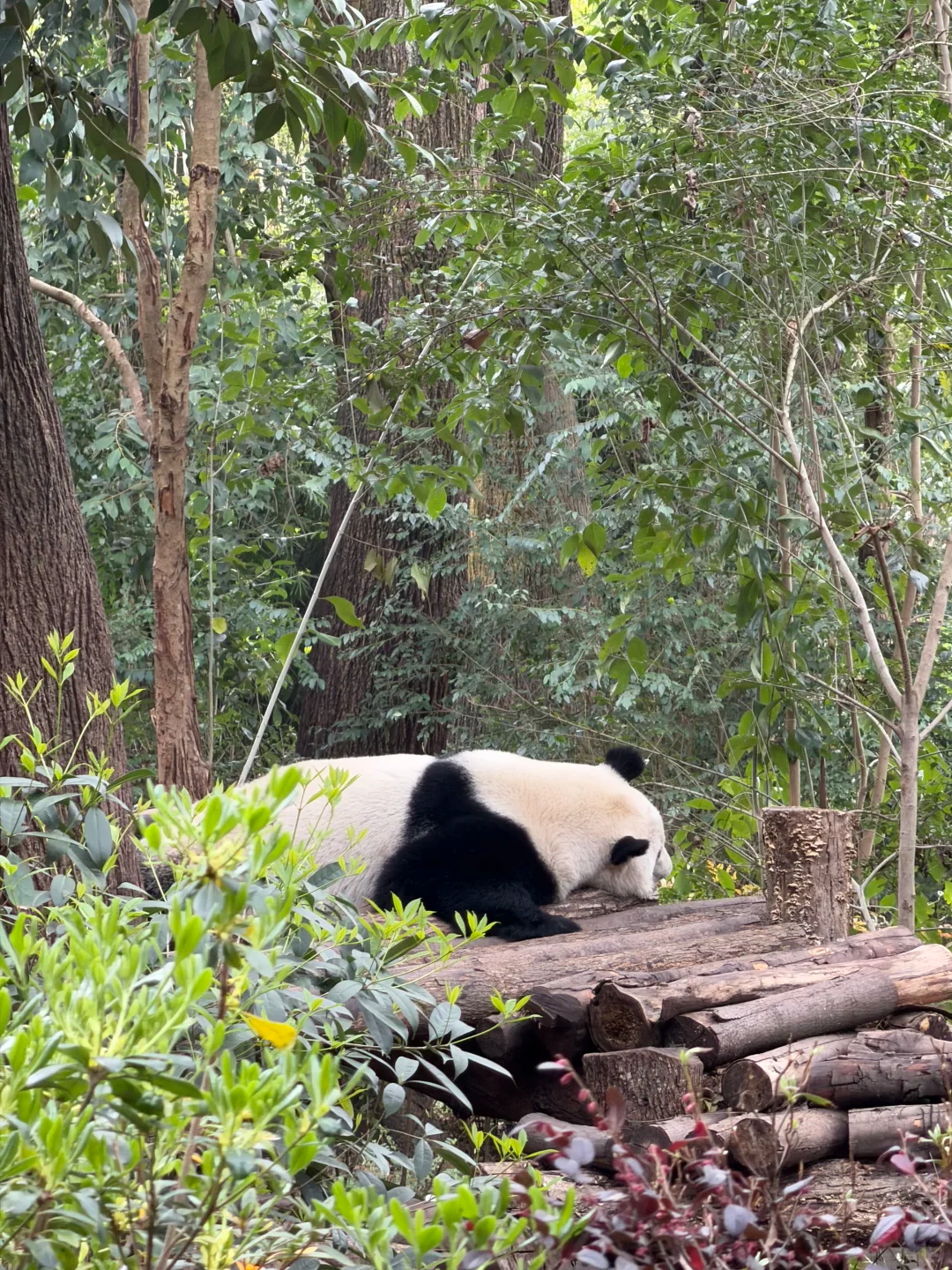
Here is a biological truth that most guidebooks bury in fine print: Giant pandas sleep up to 14 hours a day. Once the Sichuan temperature rises above 24°C (75°F) around 10:00 AM, pandas retreat indoors or curl up motionless in the shade.
💡 Our Local Guide’s “West Gate Reverse Route” Trick:
- Never enter through the old South Gate at 9:00 AM: 90% of big-bus tour groups enter via the South Gate and queue for an hour at the Moon Nursery.
- Arrive at 7:30 AM sharp: Enter right as the gates open, or have a private driver drop you at the newer West Gate (西大门) expansion zone, walking backward toward the older enclosures before the crowds arrive.
- Want an even quieter alternative? Consider Dujiangyan Panda Valley (都江堰熊猫谷), located 50 minutes northwest of downtown Chengdu. Set in a lush bamboo canyon with a fraction of the crowds, it lets you watch semi-wild pandas and free-roaming red pandas walking right across the forest boardwalks.
2. The Westerner’s Survival Guide to Sichuan “Mala” (麻辣) Hotpot
UNESCO named Chengdu Asia’s first City of Gastronomy for good reason. Sichuan cuisine isn’t just “hot”—it is built on a complex symphony of 24 distinct flavor profiles, anchored by the famous marriage of La (chili heat) and Ma (the citrusy, electric tingling of Sichuan花椒 peppercorns).
Worried your stomach won’t survive a boiling cauldron of red chilies? Follow these three rules used by every local:
- Always Order the “Yuanyang” Split Pot (鸳鸯锅): Half bubbling red chili tallow, half rich pork-bone, mushroom, or tomato broth. You get all the theater of authentic Chengdu hotpot while cooking 70% of your ingredients in the mild broth.
- Never Drink Ice Water to Cool Down! (The Sesame Oil Secret): Capsaicin does not dissolve in water—drinking cold water only spreads the chili oil across your throat. Instead, dip every piece of meat into a personal bowl of pure roasted sesame oil (香油) with crushed garlic and oyster sauce. The sesame oil coats your stomach, cools the heat by 50%, and protects your digestion.
- Order “Bingfen” (冰粉 — Rose & Brown Sugar Ice Jelly): Every Chengdu hotpot table has tiny bowls of translucent jelly topped with crushed peanuts, raisins, watermelon, and fermented rice. One spoonful instantly resets your palate.
3. Your Perfect 72-Hour “Slow Travel” Chengdu Itinerary
The Heart of Old Chengdu
Morning: Start at Wenshu Monastery (文殊院), Chengdu’s best-preserved Buddhist temple. Skip the tourist crowds and walk into its shaded courtyard tea garden, where retired locals sip covered-bowl jasmine tea (Gaiwan Cha) under ginkgo trees for $2 USD.
Afternoon: Stroll through People’s Park (人民公园) & Heming Tea House. Watch the famous Marriage Market where proud parents post their adult children’s resumes on colorful umbrellas, and brave a 10-minute traditional bamboo ear-cleaning session (Cai’er)—it feels like a warm feather massage for your ears!
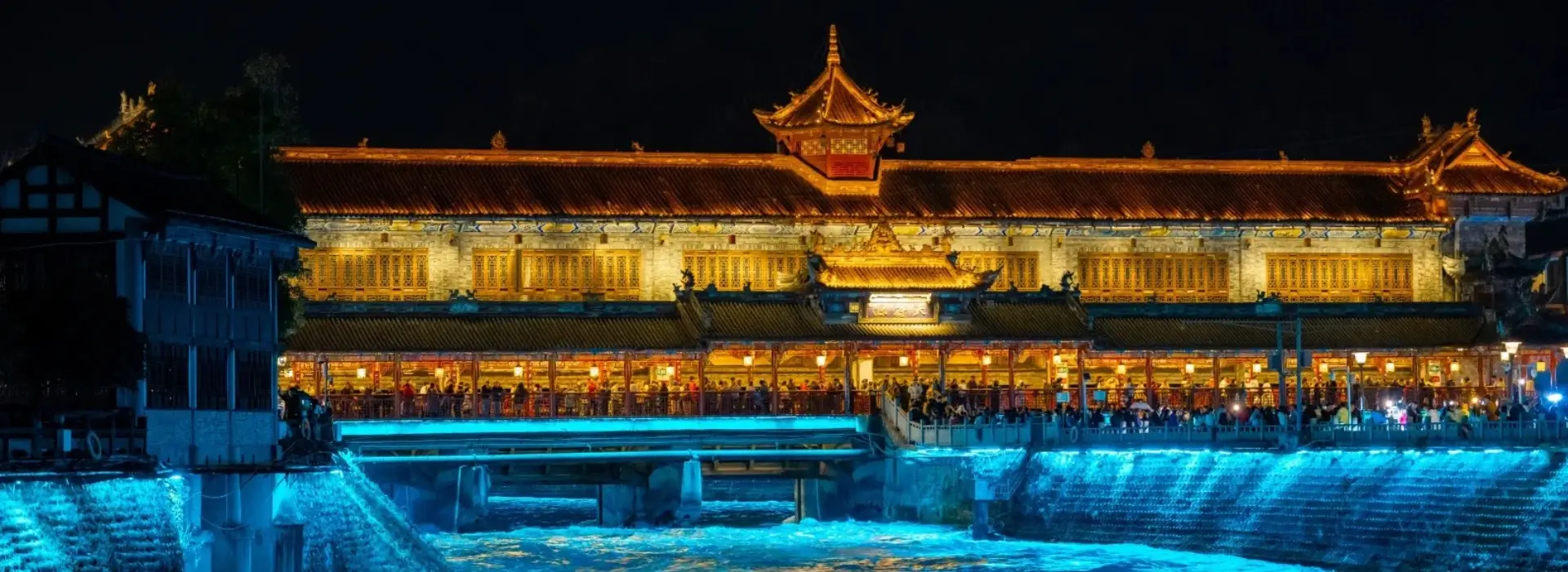
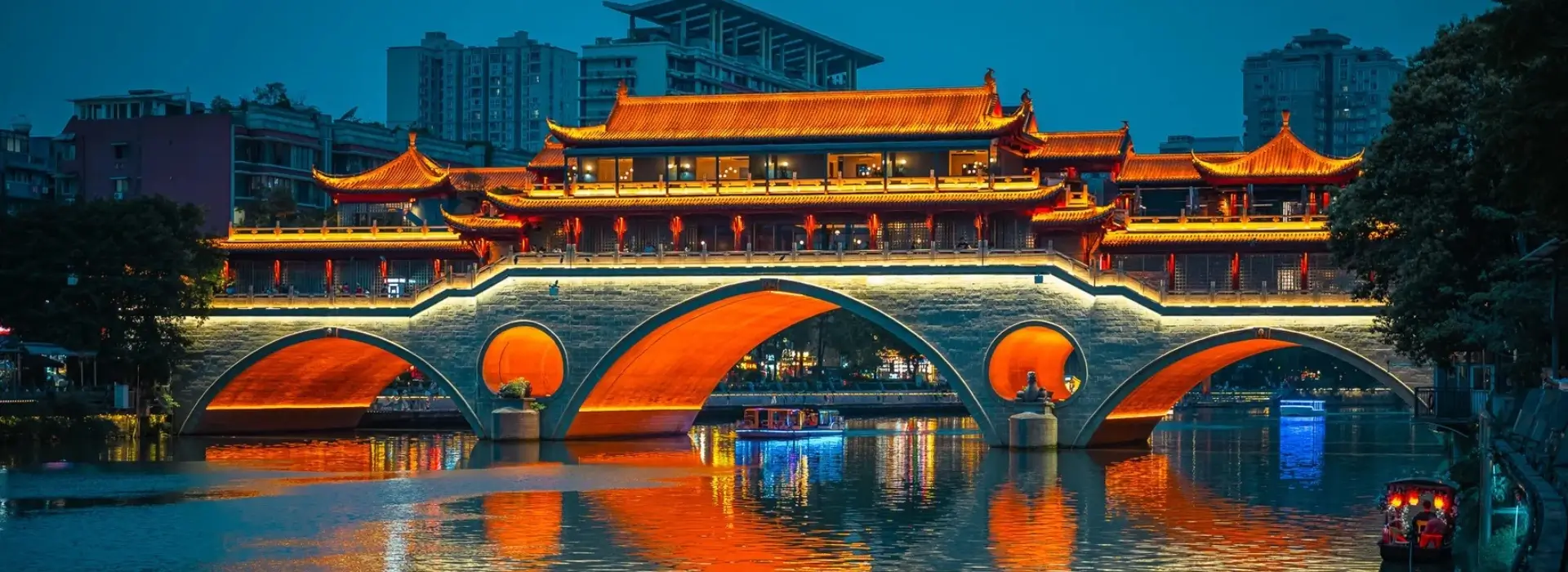
Evening: Experience authentic Sichuan Opera Face-Changing (Bian Lian), followed by a night walk across the glowing Anshun Covered Bridge (安顺廊桥) along the Jinjiang River.
Wildlife & Yulin Neighborhood Life
7:30 AM – 11:30 AM: Beat the heat at the Chengdu Research Base of Giant Panda Breeding (using the West Gate route) to watch sub-adult pandas wrestling in the grass and munching bamboo shoots.
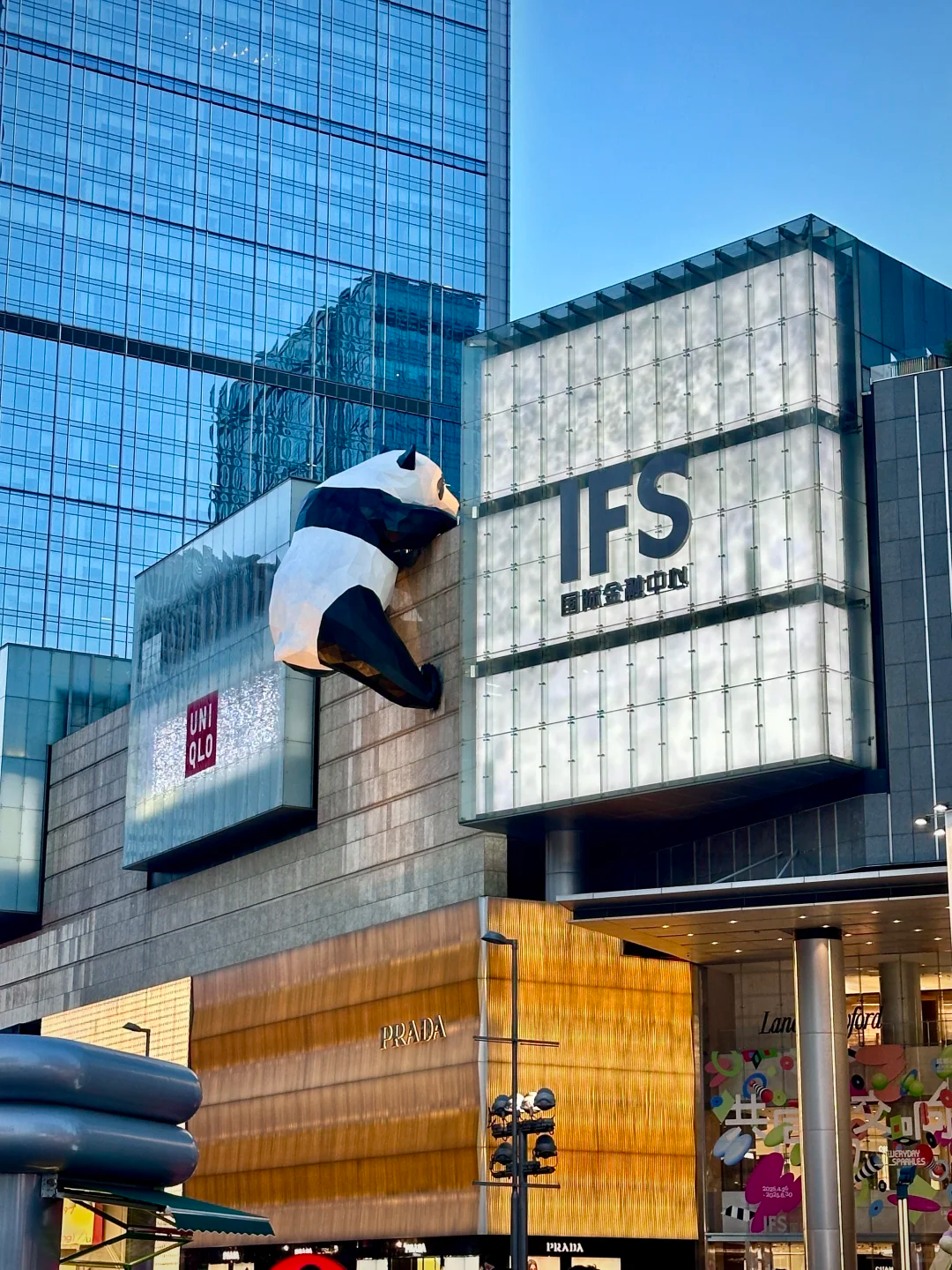
Afternoon: Contrast ancient and ultra-modern Chengdu at Daci Temple & Taikoo Li, then explore the Qing-dynasty courtyards of Kuanzhai Alley (Wide and Narrow Alleys).
Dinner Insider Tip: Instead of eating inside touristy alleys, take a 10-minute ride south to Yulin Neighborhood (玉林社区)—made famous by folk singer Zhao Lei’s song “Chengdu”. Pull up a plastic stool for sweet-water noodles (Tianshui Mian), crispy brown-sugar glutinous rice cakes (Hongtang Ciba), and neighborhood courtyard hotpot.
Leshan Giant Buddha or Dujiangyan Ancient Waterworks
Board a 50-minute high-speed train south to see the Leshan Giant Buddha (乐山大佛)—the world’s tallest pre-modern stone Buddha (71 meters high), carved directly into a red sandstone cliff at the confluence of three rivers in 713 AD. Pro tip: If you want the best panoramic photograph without climbing 300 steep stairs, take the 25-minute river ferry boat right in front of the Buddha’s giant toes!
4. Essential 2026 Practical Logistics for Western Visitors
- 240-Hour (10-Day) Visa-Free Transit: Passport holders from the US, UK, Canada, Australia, and 50+ countries can now enter through Chengdu Tianfu International Airport (TFU) or Shuangliu Airport (CTU) visa-free for up to 10 days when flying onward to a third country/region (including Hong Kong, Macau, Taiwan, Japan, Thailand, or Singapore). Under China’s updated cross-provincial rules, you can even take the bullet train between Chengdu, Chongqing, Xi’an, and Beijing!
- Which Airport Is Which? (TFU vs. CTU): Almost all international flights now land at Tianfu Airport (TFU), about 50 minutes southeast of downtown via Metro Line 18 Express or private transfer. Domestic flights and high-speed trains often connect right through Chengdu East Railway Station (成都东站).
- Safety & Cashless Payments: Wondering about safety and digital apps? Read our detailed breakdown on Is Chengdu Safe for Western Tourists?—and be sure to link your Visa or Mastercard inside Alipay before departure.
Want to Experience Chengdu Without Crowds, Language Barriers, or Tourist Traps?
Join our Beijing-headquartered historians and Sichuan local insiders on our two most popular multi-city journeys—featuring early-morning Panda Base access, VIP High-Speed Bullet Trains, and authentic neighborhood dining:
Frequently Asked Questions About Visiting Chengdu (2026)
Q1: How many days do I really need in Chengdu?
Three full days (72 hours) is the sweet spot for first-time visitors. It gives you one morning for the Giant Pandas, one afternoon for authentic tea-house culture and old neighborhoods, and one day for a high-speed rail excursion to either the Leshan Giant Buddha or Mount Qingcheng & Dujiangyan.
Q2: Can you still hold or hug a baby panda in Chengdu in 2026?
No—for conservation and disease-prevention reasons, China’s forestry authorities permanently ended direct panda-holding photos several years ago. However, you can join an official 1-Day Panda Keeper Volunteer Program at Dujiangyan or Wolong Base, where you prepare bamboo, make panda cakes, and observe conservation work up close.
Q3: What if I don’t eat spicy food—can I still enjoy Chengdu?
Absolutely! Nearly a third of traditional Sichuan banquets are completely non-spicy (known as “Baiwei” or white-flavor dishes), including Zhangcha Smoked Duck, sweet-skinned duck, steamed pork buns, mushroom hotpot broths, and brown-sugar rice cakes.